Things to Do in Luang Prabang
Monk drums at dawn, turquoise falls by noon, sticky-rice whiskey by dusk
Top Things to Do in Luang Prabang
Find activities and tours you'll actually want to do. Book through our partners -- no booking fees.


Plan Your Trip
Essential guides for timing and budgeting
Climate Guide
Best times to visit based on weather and events
View guide →Day Trips
The best excursions and nearby destinations worth the journey
Explore day trips →Where to Stay
Best neighbourhoods, hotel picks, and booking tips
Find hotels →Travel Insurance
What's required, what coverage matters, and how to get a quote
Read guide →What to Pack
Climate-specific gear, essentials, and what to leave at home
See packing list →When Should You Visit Luang Prabang?
Tap a month for weather, crowds, and highlights
View full year-round climate guide →Your Guide to Luang Prabang
About Luang Prabang
Luang Prabang wakes at 5:45 AM. Frangipani smoke mingles with river mist. The gong from Wat Xieng Thong summons 200 monks in saffron robes. They glide down Sakkaline Road for tak bat alms. By 7 AM, the night market has vanished from Sisavangvong Street. Only lemongrass and diesel linger from tuk-tuks bound for Kuang Si Falls.
The peninsula between Mekong and Nam Khan measures five kilometers end-to-end. It packs 34 active temples, the former Royal Palace at Haw Kham, and one ignored traffic light. Street-side khao soi costs pocket change near Phou Vao Road's morning market. Sunset cocktails run mid-range prices at Mekong-facing bars. They taste sweet, smoky, and humidity-diluted.
December through February delivers postcard weather. European tour groups clog Mount Phousi's 328 steps at sunset. Come May, afternoon thunderstorms scrub the streets clean. Hotel rates drop significantly then. Grab a budget poncho from Hmong vendors at the first raindrop. Despite crowds, the city refuses to rush. Tuk-tuk drivers nap in hammocks strung between roll bars.
Night market grilled Mekong fish arrives when the fish arrives. Plan three days. Negotiate your bus ticket twice.
Travel Tips
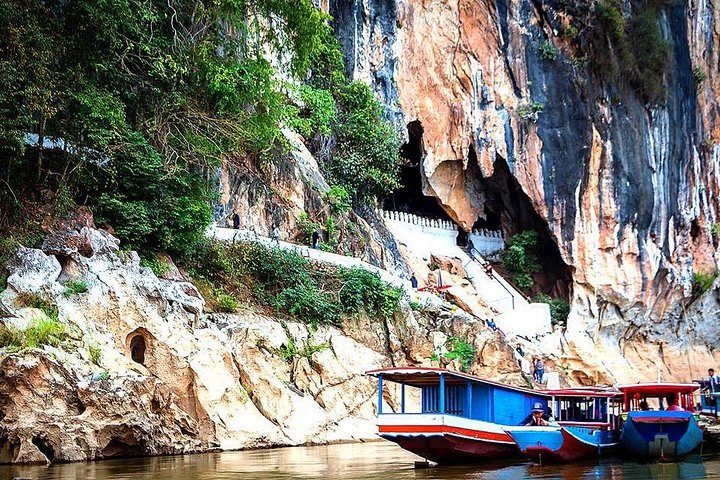
Transportation: Airport tuk-tuks quote inflated prices. Walk 50 meters past the taxi syndicate. Download Loca before landing. It works like Grab. Charges budget-friendly fares versus street haggle. Rent a bicycle opposite Wat Siphoutthabat. Costs a day's pocket money. The peninsula is flat. You'll need wheels for the morning market. It closes at 8 AM sharp. Boats to Pak Ou caves leave from the pier behind the Royal Palace. Negotiate group rates with fellow travelers.
Money: ATMs charge steep fees per withdrawal. Max out amounts to minimize hits. The BCEL ATM near the post office works with international cards. Night market vendors prefer crisp dollars for larger purchases. Carry small kip notes for street food. Exchange currency at the booth inside the morning market. Rates beat banks by noticeable margins. Always count your change. Small denominations look identical after a few Beerlao.
Cultural Respect: Cover shoulders and knees at temples. Scarf vendors outside Wat Xieng Thong rent sarongs for loose change. During tak bat, stay across the street from monks. Never touch their alms bowls. This isn't Instagram theater. It's breakfast. Remove shoes before entering any temple building. Even tiny lane shrines. When the noon drum sounds, monks retreat inside. Visit temples early morning or late afternoon. Hmong women selling handicrafts may photograph you with your purchase. It's promotional for them. Not tourist-trapping.
Food Safety: The night market food court on Sisavangvong Street reuses oil all evening. Go early when vendors set up around 5 PM. Stick to stalls with local lines. The grilled Mekong fish lady near Dara Market entrance has zero tourist complaints after a decade. Avoid lettuce and raw herbs after 4 PM. Tropical heat wilts them fast. The sausage stand opposite Wat Sensoukharam serves fermented pork. The owner's village has prepared it for generations. Pair it with sticky rice from bamboo steamers, not plastic. Bottled water costs pocket change everywhere except hotel minibars.
When to Visit
October through March is Luang Prabang's golden window. Mornings start at 18°C (64°F). Afternoons peak at 28°C (82°F) with virtually no rain. This perfection costs more. Hotel rates jump substantially in December. Mount Phousi's summit becomes a tripod forest at sunset. January feels cool enough for a light jacket at dawn.
Monks walk their alms route then. April hits 38°C (100°F) by noon. Lao New Year turns the city into a three-day water fight. Everything closes except beer stands. May to September brings afternoon monsoons. Peninsula side streets flood. Hotel prices drop noticeably. Kuang Si Falls swells to triple dry-season volume. Rainy season has rhythm.
Morning markets operate under dripping tarps. Boat schedules become theoretical. The Mekong turns milky coffee. Serious photographers favor June. Clouds stack dramatically over limestone karsts. Bring waterproof everything. August is mosquito season. Pack repellent with 30% DEET minimum. September is the secret month. Rains taper early.
Crowds haven't returned. Rice terraces outside town glow emerald. Boun Ok Phansa in late October ends Buddhist Lent. Candle-lit boat processions glide on the Mekong. Pi Mai Lao in mid-April turns every street into a water battle zone. Budget travelers target May or September. Luxury seekers book December regardless of premium. Families with kids should avoid April's heat and October's unpredictable storms.
More Ways to Experience Luang Prabang
Tours, day trips, and local experiences curated by on-the-ground operators.
Didn't see anything interesting yet?
Browse Viator's full catalog of tours, day trips, food experiences, and private guides in Luang Prabang.
See All Luang Prabang Tours on Viator